beer styles

Altbier
Barley Wine
Belgian Strong Golden Ale
Bière de Garde
Bitter
Bock
Brown Ale
Chocolate/Coffee Beer
Dunkles
Flemish Red/Oud Bruin Ales
Fruit Beer

Golden Ale
Helles
India Pale Ale
Kölsch
Lambic/Gueuze/Fruit Lambic
Mild
Oktoberfest/Märzen
Old Ale
Pale Ale
Pilsener (Pils)
Porter
Rye Beer
Saison
Smoked Beer
Stout
Imperial Russian Stout
Strong Scotch Ale
Trappist Abbey Beer
Vienna
Wheat Beer


Altbier - back
The classic Düsseldorf beer that is top-fermented like ale and cold-matured like a lager. The nose has a balance of malt and hop, with a little fruitiness. Ranges from amber to deep brown, with a thick, long-lasting, white head. Hop bitterness is balanced by dry malty flavours. Medium-bodied and well-attenuated – a drinkable session beer.
ABV 4.5 – 5.2% - Schlosser 4.8% - Germany

Barley Wine - back
Usually the strongest and most-matured beer an English brewery will offer, this is a declining style in England. However, several American craft breweries offer good versions of this powerful ale. Strong malty aroma, with some toffee or fruity notes. From deep copper to brown/red in colour. Very full-bodied with a rich, smooth, warm mouth feel. Usually quite sweet with just enough hop bitterness to provide balance. A warm alcohol presence also offsets the malty sweetness, but shouldn’t be obtrusive. American versions will usually have higher hop rates.
ABV 8 – 12% - Anchor Old Foghorn 8.8% - America

Belgian Strong Golden Ale - back
A strong bottled ale, not dissimilar to a Tripel, but lighter in colour (like a German Pils), crisper, drier and with lighter mouth feel. More hop aroma and bitterness than a Tripel. High carbonation due to refermentation in the bottle. The original of this style, Duvel, has distinct Williams pear aromas and flavours, and spiciness – these characteristics come from the special Scottish yeast strain used. Duvel is dangerously drinkable.
ABV 7.5 – 9.5% - Duvel 8.5% - Belgium

Bière de Garde - back
Traditionally, a farmhouse artisanal beer of Northern France, related to Belgian Saison, but maltier, more full-bodied and long matured. Malt dominates the nose and palate with some caramel. Relatively low hop bitterness and little to no hop aroma. Blond, amber and brown versions are produced, so colour varies from golden, through deep amber/copper to deep brown. A bottled beer with fairly high carbonation.
ABV 6 – 8.5% - Jenlain Ambree 7.5% - France

Bitter - back
Hundreds of small, or regional, breweries each have their own take on this most popular of English draught ales. Basically a session beer, breweries traditionally produced a slightly stronger “Best” or “Special” Bitter as well. In order to be considered authentic, bitter must be served by hand pump or gravity only and at cellar temperature. The resultant low carbonation, combined with low alcohol content and (usually) fairly high hop aroma and bitterness, make Bitter a very dirnkable ale. Pale amber to deep copper in colour, with good hop aroma and some malt fruitiness. Light to medium body, with good hop bitterness. Clean dry finish. Best bitters will be similar but with more body and fruitiness.
ABV 3.3% upwards - Harvey’s Best Bitter 4.0% - England

Bock - back
Both pale and dark versions exist, and are similar to stronger, more full-bodied Munich Helles and Dunkles respectively. Both should have strong malty/bready aroma, with low hoppiness. Deep gold or amber colour for a Hellesbock, copper to red-brown for a dark Bock. Malty palate with full-bodied mouth feel. Some sweetness with a clean finish. Little hop bitterness or aroma. ABV 6.5 – 7.5% - Schonram Bock 8.0% - Germany
Weltenburger Mai Bock 6.9% - Germany

Doppelbock
– literally a “double” Bock, with very malty aroma, coupled with some raisins or chocolate. Dense, off-white head. Deep amber to brown with ruby highlights Very full malty flavour with some fruitiness. Sweet with a clean finish, very little hop aroma or bitterness.
ABV 7 – 10%

Weizenbock – Aventinus, the first wheat Bock, was created by Schneider in Kelheim (a specialist Weizenbier brewery) in 1907 to compete with the conventional Doppelbock of their rivals. Fruity nose, with no hop aroma, and a thick off-white head. Dark brown with ruby highlights. Strong, malty flavour with some fruitiness. Full-bodied and quite sweet with some spicy and chocolate flavours, very low hoppiness and a clean finish.
ABV 6.5 – 8% - Schneider Aventinus 8.2% - Germany

Brown Ale - back
For many centuries, only brown malt was normally available to the brewer, so all beers were brown. The sweet, low gravity ‘Southern’ Brown Ale is all but extinct, but some drier, hoppier versions are still available, with Newcastle Brown being a national brand. A bottled, rather than draught, beer. Malty caramel nose, with some hop aroma. Copper to dark brown in colour, with an off-white head. Should have good balance of malt and hops and a clean dry finish. ABV 4.5 – 6% Sam Smiths Nut Brown Ale 5.0% - England

Chocolate/Coffee Beer - back
A modern innovation rather than a traditional style, the aim of a brewer producing a chocolate or coffee beer must be to use chocolate or coffee to compliment and enhance the natural flavours that dark malts will contribute to the beer. To be successful, the chocolate or coffee flavours must balance, and not smother, the character of the base beer.
ABV Any - Meantime Chocolate 6.5% ABV (330ml) England
Florisgaarden Chocolate 4.2% ABV (330ml) Belgium
Meantime Coffee 6% ABV (330ml) England

Dunkles - back
The original Munich-style – the water there being more suitable for dark beer. Rich but clean maltiness, with some chocolate and caramel notes. Deep copper to dark brown in colour. Maltiness predominates, with moderate, low hopping. Many Czech breweries also produce a dunkle-type beer.
ABV 4.5 – 5.5% Schonram Dunkle 4.9% - Germany

Flemish Red/Oud Bruin Ales - back
These beers are unique to the Flemish north of Belgium, and are the product of mixed fermentation and oak aging. A mixture of special cultivated yeast strains and wild yeasts gives these beers part of their character, as does wood aging which contributes tannins and bacteria which produce lactic and acetic acid. These beers therefore have some of the funky, farmyard flavours and sharpness of Lambic, but to a less pronounced extent. This is partly because after prolonged maturation in oak vats, the old beer is mixed with young beer to soften the acid sourness. The resultant beer is deep mahogany/burgundy in colour and has a wine-like refreshing acidity with some fruitiness. Mainly a bottled beer with fairly high carbonation, especially if it has refermented in the bottle. ABV 4.5 – 6% - Liefmans Goudenband 8% - Belgium
Rodenbach Gran Cru 6% - Belgium

Fruit Beer - back
Fruit can be added with good results to beers other than Lambic. In both examples below there is a desirable harmony between the aromas and flavours of the base beer and the added fruit. Liefman macerate their cherries in their classic Flemish brown ale for up to six months and it is then drained off the stones and blended with further brown ale which has been aged for six months. At Meantime, we add raspberry pureé to a well-matured, lightly hopped, Wheat Beer base. The resultant beer is not subject to any additional sweetening, and is a refreshing blend of soft, rounded wheat and tangy raspberries. (see also “Fruit Lambic).
ABV 4.8 – 6% - Meantime Raspberry Grand Cru 6.5% - England
Liefmans Kriek 6.0% - Belgium

Golden Ale - back
Often also referred to as “Summer Ale”, this is a version of English Bitter brewed using only pale malt and often American hops for aroma. It is usually served slightly chilled – i.e. a little cooler than traditional Bitter. These factors, together with a low gravity and CO2 and dry finish, make for a refreshing summer session beer. Colour ranges from straw to gold. Citrus, floral, pine or herbal hop nose. Clean palate with little maltiness, some hop bitterness, medium-to-light body and full hop aroma.
ABV 3.5-4.5% - Dark Star Hophead 3.8% ABV - England

Helles - back
First brewed by the Spaten Brewery in Munich in 1845 to meet demand for the new pale beers – the traditional Munich style was dark. “Helles” means “light” or “pale” in German. Pale gold to gold in colour, with a clean, malty nose. Malty flavour balanced by low to medium hoppiness. More full-bodied and less bitter than a Pilsner.
ABV 4.7 – 5.4% - Schonram Helles 5% - Germany

India Pale Ale - back
India Pale Ale did not just survive the passage to India, it matured and improved greatly due to the temperature in the hold and the rolling of the ship. A pale ale originally brewed with increased strength and hop rate, many British beers that are today called IPA are simply bitters. A balance on the nose between English hops (grassy, earthy, herbal) and bready or fruity maltiness. Amber to copper in colour. A good hop character should be balanced by maltiness to produce a smooth, rounded full-bodied flavour. Medium finish with pronounced hoppiness, but without harsh bitterness.

American IPA is similar in colour and mouth feel but with a far stronger hop aroma on the nose and palate. Hop rate is far higher and the use of American hops gives citrus, pine, flowery or fruity aroma and flavour, and also far more bitterness. Clean malt flavours are present, but less so than in English versions.
ABV 5 – 7.5% - Meantime India Pale Ale 7.5% - England
Goose Island IPA 5.9% - America

Kölsch - back
Strictly speaking “Kölsch” is an appellation that may be used by approximately 20 breweries in the Cologne area, defined by the Kölsch Konvention. This was Cologne’s response to the Pilsner-led demand for pale beer. Pale gold, very clear, with a fluffy white head. Delicate balanced flavour – less bitter and crisp than a Pils, drier and cleaner than a Helles. Medium-to-light body and medium bitterness. Fermented like an ale, but long maturation like a lager. ABV 4.4 – 5.2% - Fruh Kolsch 4.8% ABV - Germany

Lambic/Geuze/Fruit Lambic - back
Some of the most distinctive beers in the world, Lambic and Geuze are the product of spontaneous fermentation by wild yeasts only found in the air in the Senne Valley region around Brussels. Traditional versions are an acquired taste as the wild yeast gives a complex range of earthy, farmyard aromas and flavours, and wood-aging gives the beer a pronounced sourness, as bacteria from the wood produce lactic acid. Deliberately aged hops used as a preservative, not for bitterness. Bone dry – golden to orange in colour. Geuze is a blend of Lambics of differing ages, up to three years old. Lambic takes a long time to ferment completely and the wild yeast characteristic emerge from behind the lactic sourness only with time. Specialist cafes in Brussels serve Geuze of twelve and fifteen years’ age by which time the beer has more balance, due to the partial breakdown of the lactic acid, and becomes wine-like. ABV 5 – 7.5% - Boon Old Gueuze 6.5% - Belgium
Cantillon 5% - Belgium

Fruit Lambic – Additional layers of flavour and aroma are added to the already complex Lambic palate by the addition of fruit (traditionally cherries, often sour rather than sweet, and raspberries) during the aging process. This is a centuries-old practice and traditional fruit Lambics will remain recognizably sour with farmyard characteristics, but with a balanced fruitiness. The fruit added will influence the colour which may change to a deep red, and the nose. Traditional versions are complex, sour, fruity but bone dry, with no hop bitterness or aroma. Many breweries now produce a non-traditional sweetened version of their fruit Lambics, and other sweet fruits such as peach or apricot are also used in some cases. ABV 5 – 7%
Morte Subite Kriek 4.5% - Belgium
Boon Kriek 4.5% - Belgium

Boon Framboise 5% - Belgium

Mild - back
This, the archetypal working man’s session beer has massively declined but is still popular in the Midlands. Should be served on hand pump with little carbonation, and at cellar temperature. Some malt on the nose, which can be chocolate or toasty – no hop aroma. Dark copper to dark brown in colour, with a low off-white head. Light to medium body, with some clean maltiness reminiscent of toast, coffee, dark fruit or raisins. Darker versions can have caramel and roast flavours. Dry finish with little hop character.
ABV 2.8 – 4.0%

Oktoberfest/Märzen - back
Traditionally brewed in March, at the end of the brewing season, and stored in cool caves lost last all summer. Dark gold to copper in colour with a toasty malt aroma. Smooth malty sweetness with a dry, clean finish. Moderate hop bitterness. Some Czech breweries still produce a Märzen-style beer.
ABV 5.5 – 6.6% - Schonram Gold 5.7% - Germany

Old Ale - back
Normally a dark winter warmer – stronger and fuller-bodied than a Best Bitter, but not as heavy as a Barley Wine. Traditionally matured for long periods. Aromas of toffee, treacle or dried fruits – not much hop aroma. Deep amber to dark brown with ruby highlights and an off-white/cream head. Complex malt flavours, with some toasty roasted or coffee notes. Medium to full body. Hop/malt balance varies – some examples are quite sweet, others have higher hop rates. Normally a bottled beer.
ABV 5.5 – 6.5%

Pale Ale - back
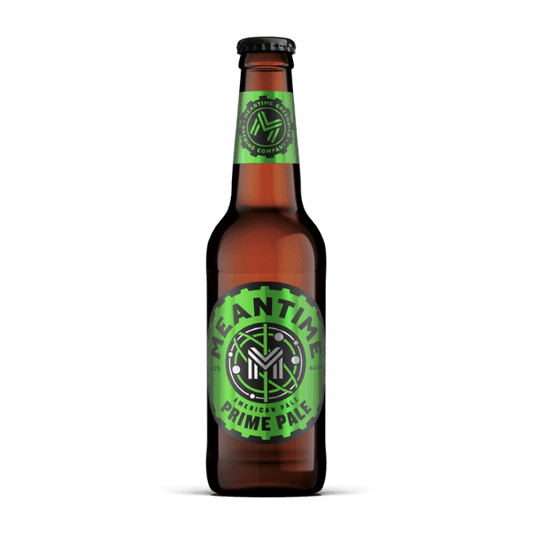
Both English and American versions of Pale Ale exist and the popularity of this traditional style has increased in recent years. Many English breweries’ Pale Ale is merely a bottled version of their Best, or Special, Bitter. Being bottled it will have higher carbonation than the hand-pulled version. Malty fruit balanced by herbal English hops on the nose. Amber to deep copper colour. A good balance between maltiness and hop bitterness and aroma. Medium body and mouth feel. American styles are not dissimilar, but have far more hop aroma, which comes from middle and late hopping in the kettle during the boil, and dry hopping. This is not to be confused with American Ale, which is a much more malt-balanced style. The use of aromatic American hops such as Cluster, Cascade and Mount Hood gives citrus, pine and grassy aromas. Normally with less fruitiness than an English Pale Ale. Clean dry finish.
ABV 4.5 – 6%

English Pale Ale
Meantime London Pale Ale 4.3% - England
Coopers Sparkling Ale 5.8% - Australia

American Pale Ale
Sierra Nevada 5.6% - America

American Ale
Anchor Liberty Ale 5.9% - America
Anchor Steam 4.9% - America

Pilsner (Pils) - back
First brewed in Pilsen in 1842, this is the original pale, bottom fermented lager, and the most popular beer style in the world. Crystal-clear, dry and hoppy, with a very clean finish.

Bohemian Pils – pale gold to deep gold in colour with a spicy hop nose. A balance of complex maltiness (from Moravian barley) and spicy Saaz hop flavour. Restrained bitterness. Medium-bodied and rounded.
ABV 4.2 – 5.4% Pilsner Urquel 4.4% - Czech Republic

German Pils – straw to light gold in colour, with some breadiness and flowery noble hop notes on the nose. Crisp and bitter with noble hop aroma and flavour. Brilliantly clear. Dry, clean finish.
ABV 4.4 – 5.2% - Schonram Pils 5% - Germany

Porter - back
Historically, a hugely important beer, Porter allowed the development of really large-scale brewing. To be considered good quality early Porters had to be stored for up to 18 months in immense wooden vats, and only large-scale breweries could build and maintain these. Porter was vastly popular with the London working class in the eighteenth and nineteenth centuries, but had all but died out by the end of World War I. The dominant aroma is usually malty, with some roastiness and bitter chocolate. Little hop aroma. Dark brown to black with ruby highlights. Off-white head. Quite dry, with a balance of complex maltiness and hops. More balanced and less bitter than  dry Stout. It should also not have the black malt coffee-like bitterness of  a dry Stout. ABV varies from 4.5 – 6.5%
Meantime London Porter 6.5% - England
Sam Smiths Toddy Porter 5.0% - England
Anchor Porter 5.6% - America

Rye Beer - back
A Bavarian specialty, brewed as an alternative to a dunkelweizen, using 50% (or more) rye instead of wheat. The rye gives more mouth feel than wheat and a distinct rye flavour. Only lightly hopped. Bready nose, with some banana and cloves, high carbonation, with dense fluffy head. Light copper to deep red-brown in colour. Rye flavour (like rye bread) with some fruitiness and low bitterness. ABV 4.5 – 6.0% Schremser Roggenbier 5.2% - Austria

Saison - back
Originally brewed at the end of the traditional brewing season to be matured and drunk as a Summer specialty. Now produced year-round by mainly small farmhouse breweries in French-speaking southern Belgium. Citrus and spice with fruity esters on the nose. Pale orange through gold to amber in colour – unfiltered and can be hazy. Often highly carbonated. Low to moderate hopping, with light maltiness balanced by fruity and spicy flavours which come from either special yeasts or from the addition of orange peel and/or spices. Light to medium body with a refreshing dry, slightly tart acidity.
ABV anywhere from 5% to 9.5% - Saison 1900 5.2% - Belgium

Smoked Beer - back
A tradition of Bamberg and the surrounding countryside in Franken, Central Germany. After germination, the malt is dried using beechwood smoke and picks up a strong flavour and smell. The amount of smokiness in the finished beer varies – the classic Schlenkerla Rauchbier is extremely smoky. Other breweries such as Spezial produce paler, less intense versions. Aroma are dominated by smoke in all versions, with some woody or Black Forest ham notes. Little or no hop aroma. Colour varies from amber to deep brown. Smoked flavour, balanced to a varying degree by clean maltiness. Moderate to low hop with a medium-dry finish. ABV 4.8 – 6%
Aecht Schlenkerla Marzen 5.1% - Germany
Meantime Smoked Bock 6.5% - England

Stout - back
The name ‘Stout’ refers to the fact that, originally, breweries offered this beer as a stronger, more full-bodied, version of their standard Porter. It was originally called ‘Stout Porter’. Nowadays Stouts are lower in strength, and ‘Stout’ simply means a black beer. Irish Dry Stout is a very black dry bitter beer, with coffee flavours from the roasted malts. Irish Stouts use roasted unmalted barley, fairly high hop levels and are served with nitrogen (rather than carbon dioxide) to produce a dense, creamy head. London Stout does not use unmalted barley, has slightly less bitterness and is served conventionally, with carbon dioxide. Roasted malt and coffee on the nose. Moderate hop aroma. Very black in colour with ruby highlights. Coffee and bitter chocolate flavours with hop bitterness and a clean, dry finish. Smooth medium body. ABV 4 – 5%
Meantime London Stout 4.5% - England
Coopers Extra Stout 6.3% - Australia

Imperial Russian Stout - back
Reputedly popular in the Imperial court - was exported from London to the Baltic States and Russia. It was brewed with a high gravity and hop rate – today it is an intense, strong version of a dry Stout, almost like a black Barley Wine. ABV 8 – 12%

Strong Scotch Ale - back
Dark copper to deep brown, with ruby highlights, and a light brown head. Malty, caramel nose. Full warm, malty flavour, with hints of raisins from fruity esters. Full-bodied and sweet with caramel and toffee flavours and only low-hopping. Medium-sweet finish with some alcoholic warmth. ABV 6.5 – 10%
Harviestoun Old Engine Oil 6.0% - Scotland

Trappist/Abbey Beer - back
The original, and best, examples of this little family of styles are all “Trappist”, i.e. brewed by Cistercian monks, within the actual monastery walls. “Abbey” beers are similar beers brewed by laymen, often under license from a monastery. Complex unique yeast strains are used in the best examples which give their own special character.

Orval – A unique beer from Southern Belgium, which gets part of its copper colour from candy sugar, a Belgian tradition. Kent hops are used for bitterness. After primary fermentation, the beer is matured for six weeks, before the additional of a wild yeast and further fermentation in the bottle, where it continues to improve for a year. Bone dry and bitter, with tartness and earthiness from the wild yeast. Good hop aroma. Orval 6.2% - Belgium

Dubbel – Dark, malty ale, dark copper to dark brown in colour, with chocolate, coffee and toast aromas. Rich malty sweetness with some raisin/dried fruit flavours and a dry finish. Full-bodied with little hop bitterness. Normally re-fermented in the bottle and therefore carries a yeast sediment. ABV 6 – 10%
Rochefort 8 9.2% - Belgium
Chimay Red 7.0% - Belgium
Westmalle Dubble 7.0% - Belgium

Tripel – Golden, very clear (unless the yeast is disturbed) with a long-lasting creamy “cauliflower” head. Flowery, spicy hop notes on the nose and some fruitiness. Soft malty palate with some spice and fruitiness. Medium-bodied, with balanced hop bitterness and aroma. Clean finish. Secondary fermentation in bottle. ABV 7.5 – 9.5%
Westmalle Triple 9.5% - Belgium
Chimay Blue 9.0% - Belgium

Vienna - back
The first amber lager, brewed by Anton Dreher in the 1840s, shortly after the isolation of stable lager yeast. Light amber to copper, with a malty nose. A toasty malt flavour from the Vienna malt balanced by restrained hop bitterness. Clean, dry finish. Nearly extinct in Austria, it has survived in Mexico (Negro Modelo) and been revived by American craft breweries. Some Czech breweries still produce a Vienna-style beer. ABV 4.5 – 5.5%
Brooklyn Lager 5.2% - America
Negro Modelo 5.4%- Mexico

Wheat Beer - back
Bavarian Hefeweizen – Brewed with wheat malt (usually about 50%), as well as malted barley. Colour varies from straw to deep golden. Banana, bubblegum and cloves on the nose and palette together with a bready wheat flavour. Lightly hopped. Dense, fluffy head. Very effervescent. ABV 4.3 – 5.6%
Meantime Wheat Beer 5% ABV - England
Schneider Wiess 5.4% ABV - Germany

Bavarian Dunkelweizen – copper to dark brown in colour. More malty richness than the lighter version with some spicy and fruity notes
ABV 4.3 – 5.6%

Belgian - Contains around 30% possibly unmalted wheat. A centuries-old tradition that died out in the 1950s and was revived in the mid-1960s. Pale straw to pale gold with a hazy milky-white appearance (hence its Flemish name “witbeer” meaning white beer). Some initial sweetness combined with citrus flavours and a crisp dry finish. Lightly hopped. Orange peel and spices often added. ABV 4.5 – 5.5%
Blanche de Bruxelles 4.5% - Belgium

REGISTER

Enter your email address to register for the latest updates from Meantime including news of the latest beers, events and offers.

Register
 
  • Facebook
  • twitter